
Solutions to Sewage Sludge – energy and wetlands

Any place that has wastewater treatment plants, must deal with the issue of sludge – all of the solids left over after the sewage is treated. Sewage treatment consists of a number of stages.
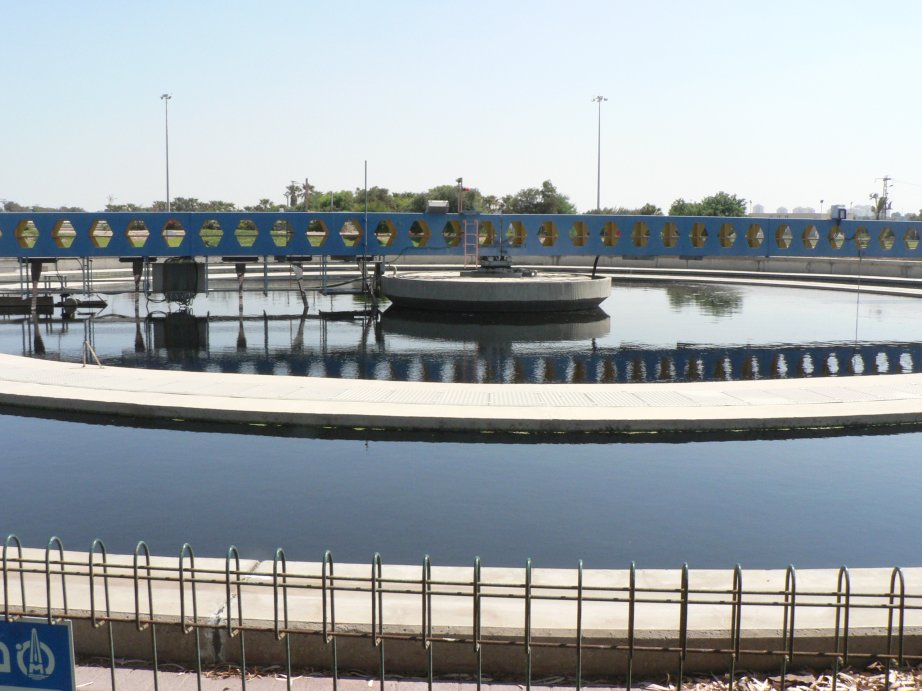
Stage I, where the solids are flocculated (encouraged to glom together) and settled out of the stream.

Stage II, where the organic content is removed. This step is important because the organic matter serves as a source of nutrients in the water, and if it is released into open bodies of water, it will promote the growth of algae, leading to oxygen deprivation and problems for the aquatic populations. The most common method these days is to bubble air through holding tanks that contain bacteria which consume the nutrients. At the end of this stage, the solids containing the bacteria – the sludge – are removed. Previous technology trickled water over a bed of gravel where a bio-film grew.

Stage III, where the water is disinfected using chlorine or UV light, to kill all of the pathogens in the sewage and the bacteria used for the water treatment.

So after we have fairly clean water that flows into the sea or lakes or rivers, we are still left with an entire pile of biosolids to dispose of. Up until recently, most of the sludge in Israel was dumped into the sea through a pipe a few km long at the outlet of the Gush Dan (Tel Aviv Metro area) water treatment plant, the SHAFDAN (acronym for Dan Wastewater).

A recent law discontinued this process, and now the sludge is treated (we hope) and sold as fertilizer. This is much better than pouring it into the sea, and also better than the SHAFDAN’s original solution of burning it for energy, which would have raised air pollution concerns. Spreading the sludge as fertilizer also runs the risk of groundwater contamination with nitrates, as well as any hazardous materials that might be present in the wastewater stream (even though they aren’t supposed to be there. The Law says so!)

There is an increasing trend to use sludge – or by its cleaner name, biosolids – for generating energy in a much cleaner way. The city of San Antonio, Texas, which generates 140,000 tons of biosolids a year, will convert the sludge into methane gas, which can be burned cleanly to generate energy, receiving up to $250,000 a year for the more than one million cubic feet of methane it expects to generate every day.

Bio-Petrol, an Israeli company, follows a different strategy, and converts the biosolids into a hydrocarbon fuel in a process very similar to the extraction of oil from petroleum shales. Bio-Petrol’s website claims that their business plan is “a commercially viable global solution for turning sewage sludge into oil, saving enormous sums in disposal and saving the earth from the destructive sewage dumping which is ruining the environment.”

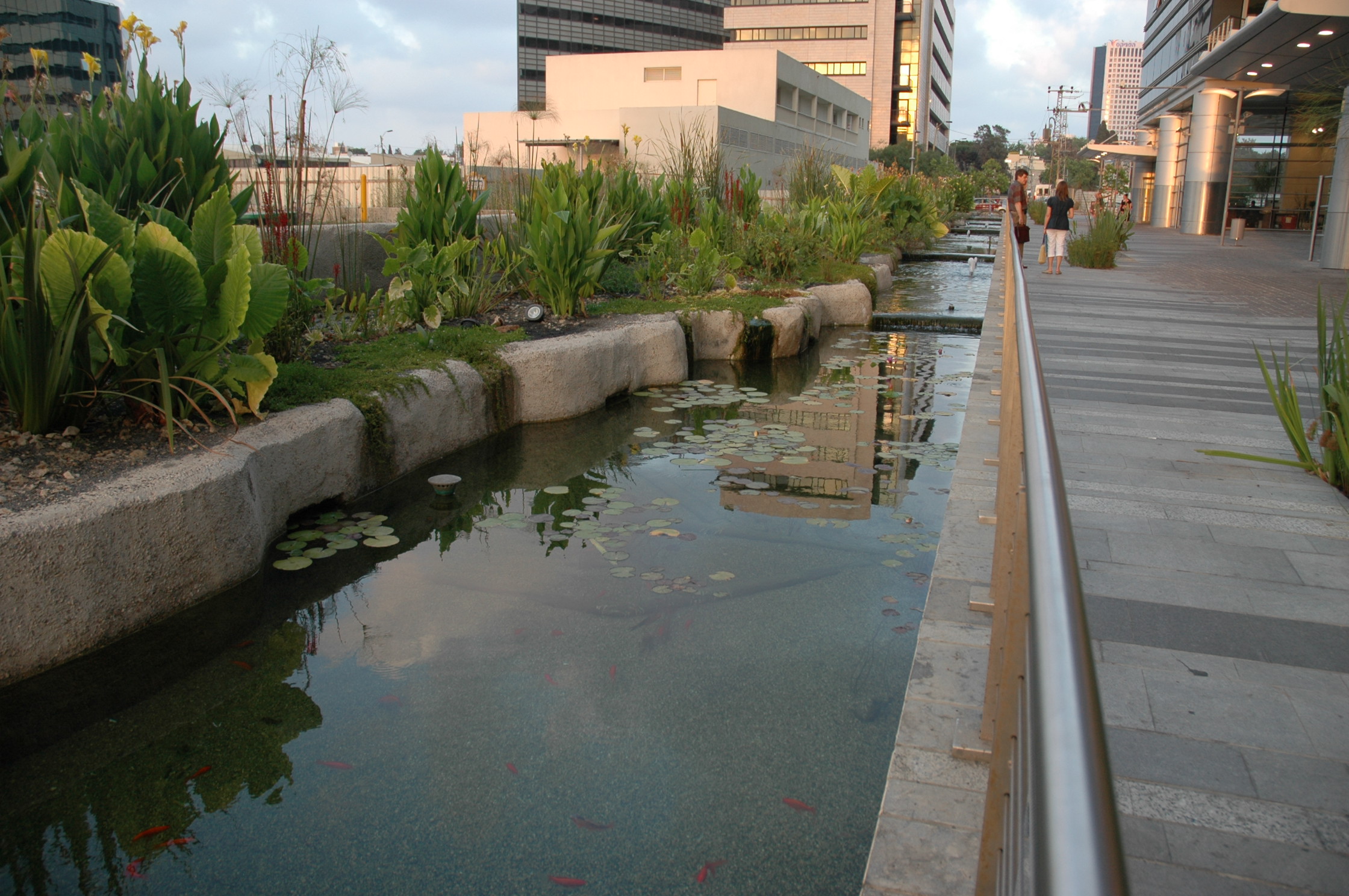
Another alternative to conventional water treatment is the solution proposed by Ayala Water and Ecology, who construct wetlands to treat wastewater.  The plants are selected to grow in the water and remove the contaminants.  Their wetlands have been installed to treat effluent at the Hiriya landfill site, gasoline stations, city buildings and parks, including the 7 stations park at the Yarkon River.  Although they require more land than a conventional water treatment facility, they are certainly more atractive and pleasant.
Daniel Pedersen
Daniel Pedersenhttp://www.greenprophet.com
Having spent my Jerusalem childhood ear-deep in science fiction stories, I’m still waiting for clean and abundant fusion power. On the way, I dabbled in solar-powered desalination and alternative building technologies at Swarthmore College, and studied the chemistry and mutagenic effects of particulate air pollution at MIT for a PhD in environmental engineering. Since returning to Jerusalem in 2002, I’ve directed air quality research campaigns from Rosh Hanikrah to Eilat & Aqaba for Hebrew University. I’ve led cooperative regional projects, wrote a successful proposal for the largest air-quality study in the history of the Middle East, and established the first monitoring network in Palestinian cities. Last year I edited a weekly TV environmental spot on Channel 2 and wrote a companion blog. At Hadassah College I train the next generation of environmental science professionals, audit Israel’s chemical and environmental laboratories for the Israel Laboratory Accreditation Authority, and provide environmental consulting services to diverse clients. Daniel can be reached at daniel (at) greenprophet.com.
1 COMMENT

LEAVE A REPLY

Please enter your comment!
Please enter your name here

TRENDING

Astro uses AI to help procure land for renewable energy

For oil-rich, environmentally vigilant Gulf states, Astro isn’t just another startup story. It is a blueprint for accelerating an energy transition that is now existential, not optional.

Sink holes from over-watering farmers’ fields

Sinkholes are rapidly appearing in Turkey’s central Anatolian farming region, particularly around Konya and Karapınar. These giant gaping holes in the ground in areas of farmland, known locally as obruk, are not random geological events. They are linked to prolonged drought, climate-driven heat stress, and heavy groundwater extraction for agriculture in one of the country’s most important breadbaskets.

Oil pollution in Basrah’s soil is 1,200% higher than it should be

Soil pollution levels in parts of Basra are 1,200% to 3,300% higher than those typically measured in cities like Toronto or New York, according to new comparative soil data. It's getting into water.

Peace hospital opens between Jordan and Israel

The proposed medical centre, described by Emek HaMaayanot Regional Council head Itamar Matiash as “a centre for cancer treatment, so that people from Jordan or further away could come and receive treatment,” would become the flagship of a wider cluster of medical, academic and innovation-based services planned for the Israeli half of the zone.

Travel Morocco with teens at the Kasbah du Toubkal’s magical mountain retreat

Walking well-trodden mountain pathways, eating fresh local food, and learning about the transformative work embedded in the Kasbah’s approach to tourism has now been imparted to our children. We hope, in turn, these experiences will serve to inform their contributions in the world as they continue to grow. Don’t wait, Morocco is on everyone’s bucket list. Growth and change are inevitable. 

6 Payment Processors With the Fastest Onboarding for SMBs

Get your SMB up and running fast with these 6 payment processors. Compare the quickest onboarding options to start accepting customer payments without delay.

Qatar’s climate hypocrisy rides the London Underground

Qatar remains a master of doublethink—burning gas by the megaton while selling “sustainability” to a world desperate for clean air. Wake up from your slumber people.

How Quality of Hire Shapes Modern Recruitment

A 2024 survey by Deloitte found that 76% of talent leaders now consider long-term retention and workforce contribution among their most important hiring success metrics—far surpassing time-to-fill or cost-per-hire. As the expectations for new hires deepen, companies must also confront the inherent challenges in redefining and accurately measuring hiring quality.

8 Team-Building Exercises to Start the Week Off 

Team building to change the world! The best renewable energy companies are ones that function.

Thank you, LinkedIn — and what your Jobs on the Rise report means for sustainable careers

While “green jobs” aren’t always labeled as such, many of the fastest-growing roles are directly enabling the energy transition, climate resilience, and lower-carbon systems: Number one on their list is Artificial Intelligence engineers. But what does that mean? Vibe coding Claude? 

Somali pirates steal oil tankers

The pirates often stage their heists out of Somalia, a lawless country, with a weak central government that is grappling with a violent Islamist insurgency. Using speedboats that swarm the targets, the machine-gun-toting pirates take control of merchant ships and then hold the vessels, crew and cargo for ransom.

Leopoldo Alejandro Betancourt López Turned Ocean Plastic Into Profitable Sunglasses

Few fashion accessories carry the environmental burden of sunglasses. Most frames are constructed from petroleum-based plastics and acrylic polymers that linger in landfills for centuries, shedding microplastics into soil and waterways long after they've been discarded. Leopoldo Alejandro Betancourt López, president of the Spanish eyewear brand Hawkers, saw this problem differently than most industry executives.

Why Dr. Tony Jacob Sees Texas Business Egos as Warning Signs

Everything's bigger in Texas. Except business egos.  Dr. Tony Jacob figured...

Related Articles

Popular Categories